The Benefits of Wholesale Products for Whole Foods
Category : batchof | Sub Category : batchof Posted on 2023-10-30 21:24:53
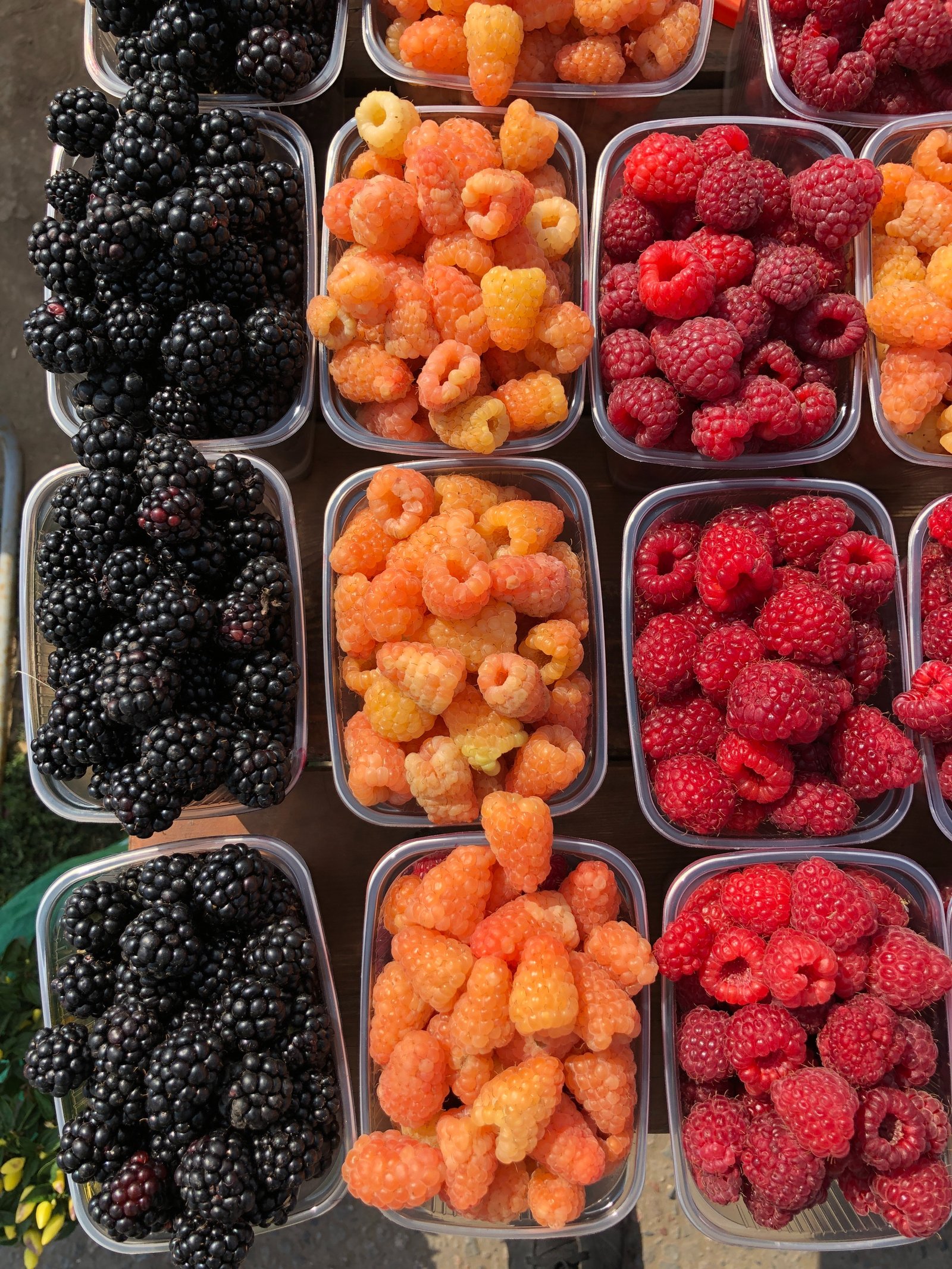
Introduction: Whole Foods has become synonymous with high-quality, organic, and sustainable products. As more people embrace a healthy lifestyle, the demand for Whole Foods products continues to rise. However, maintaining this level of excellence requires Whole Foods to carefully curate their selection, source from trusted suppliers, and manage costs. One effective strategy Whole Foods employs is partnering with wholesale product suppliers. In this blog post, we will explore the benefits of wholesale products for Whole Foods and how they contribute to enhancing the customer experience. 1. Variety and Selection: When it comes to offering a diverse range of products, wholesale suppliers play a crucial role for Whole Foods. By sourcing from wholesale suppliers, Whole Foods gains access to a wider array of products, including unique and specialty items. This allows Whole Foods to offer a diverse selection that caters to various dietary preferences, ensuring that there is something for everyone. From gluten-free alternatives to plant-based options, Whole Foods can provide an extensive variety by leveraging wholesale partnerships. 2. Cost Savings: Wholesale products also provide cost savings for Whole Foods. By purchasing goods in bulk from wholesale suppliers, Whole Foods can negotiate better prices and pass on those savings to their customers. This helps to make organic and specialty products more affordable and accessible to a wider audience. Moreover, cost savings from wholesale purchases can be reinvested in other areas, such as store improvements, employee training, or sustainability initiatives, ultimately enhancing the Whole Foods shopping experience. 3. Quality Control: Maintaining stringent quality control measures is a priority for Whole Foods. By partnering with wholesale suppliers, Whole Foods can thoroughly vet their products and ensure that they meet their high standards. Wholesale suppliers often undergo strict certification processes, adhering to guidelines for sourcing, manufacturing, and distribution. This ensures that the products reaching the shelves of Whole Foods are of the utmost quality, aligning with their commitment to providing customers with the best possible options. 4. Sustainable and Ethical Sourcing: Sustainability is a core value for Whole Foods, and this extends to their wholesale partnerships. Wholesale suppliers often specialize in sustainable and ethically sourced products, aligning with Whole Foods' mission. By collaborating with suppliers who share their commitment to environmental stewardship and fair trade practices, Whole Foods can further enhance their reputation as a sustainable retailer. Customers can shop with confidence, knowing that the products they purchase at Whole Foods are produced responsibly. Conclusion: Wholesale products play a fundamental role in Whole Foods' ability to provide a wide selection of high-quality, organic, and sustainably sourced goods. By leveraging their partnerships with wholesale suppliers, Whole Foods can offer a diverse array of products, pass on cost savings to their customers, maintain stringent quality control measures, and promote sustainability. These benefits help Whole Foods maintain its position as a leader in the organic and specialty food market and ensure a positive shopping experience for their customers. For the latest research, visit http://www.deleci.com For a broader perspective, don't miss http://www.eatnaturals.com For more information about this: http://www.biofitnesslab.com For more information about this: http://www.mimidate.com
Leave a Comment:
SEARCH
Recent News
- Zurich, Switzerland, and Milan, Italy, are two of Europe's bustling cities known for their vibrant cultures and economic activities. Zurich, the largest city in Switzerland, is renowned for its high quality of life, efficient public transportation system, and picturesque setting along Lake Zurich and the Limmat River. Milan, on the other hand, is Italy's financial and fashion capital, home to prestigious fashion houses, historic landmarks, and a thriving e-commerce industry.
- Zurich, Switzerland is known for its picturesque landscapes, innovative technology, and thriving economy. As a hub for business and commerce, Zurich has also seen significant growth in e-commerce platforms over the years. With the rise of online shopping and digital transactions, having secure and efficient payment solutions is crucial for businesses in Zurich to thrive in the competitive market.
- YouTube Content Creation and Translation: A Key Strategy for Milan E-Commerce Success
- In today's digital age, YouTube has emerged as a powerful platform for content creation and sharing. From tutorial videos and product reviews to vlogs and entertainment, YouTube offers a vast array of content that caters to a global audience. For content creators looking to expand their reach, one key strategy is translating their videos to tap into non-English speaking markets.
- Milan_e_commerce is a dynamic YouTube channel that focuses on providing valuable insights and tips for e-commerce entrepreneurs. With a dedicated team of experts in the field of online retail, Milan_e_commerce strives to help individuals succeed in the competitive world of e-commerce.
- If you are running a YouTube channel focused on e-commerce and looking for reliable payment solutions to enhance your online business, you have come to the right place. In today's digital age, having effective payment solutions in place is crucial for the success of any e-commerce venture. With the increasing popularity of online shopping, customers expect a seamless and secure payment process when making purchases. As a YouTube content creator in the e-commerce space, it is essential to provide your audience with convenient payment options to optimize their shopping experience.
- Mastering Work Skills Development in Milan's E-commerce Industry
- In the fast-growing world of e-commerce, having a seamless and secure payment solution is crucial for the success of any online business. Developing the right work skills in this area can make a significant difference in how efficiently payments are processed, customer satisfaction levels, and ultimately, the bottom line.
READ MORE
10 months ago Category : batchof

Zurich, Switzerland, and Milan, Italy, are two of Europe's bustling cities known for their vibrant cultures and economic activities. Zurich, the largest city in Switzerland, is renowned for its high quality of life, efficient public transportation system, and picturesque setting along Lake Zurich and the Limmat River. Milan, on the other hand, is Italy's financial and fashion capital, home to prestigious fashion houses, historic landmarks, and a thriving e-commerce industry.
Read More →10 months ago Category : batchof

Zurich, Switzerland is known for its picturesque landscapes, innovative technology, and thriving economy. As a hub for business and commerce, Zurich has also seen significant growth in e-commerce platforms over the years. With the rise of online shopping and digital transactions, having secure and efficient payment solutions is crucial for businesses in Zurich to thrive in the competitive market.
Read More →10 months ago Category : batchof

YouTube Content Creation and Translation: A Key Strategy for Milan E-Commerce Success
Read More →10 months ago Category : batchof
