Revolutionizing Wholesale Products with the K-means Algorithm for Images
Category : batchof | Sub Category : batchof Posted on 2023-10-30 21:24:53
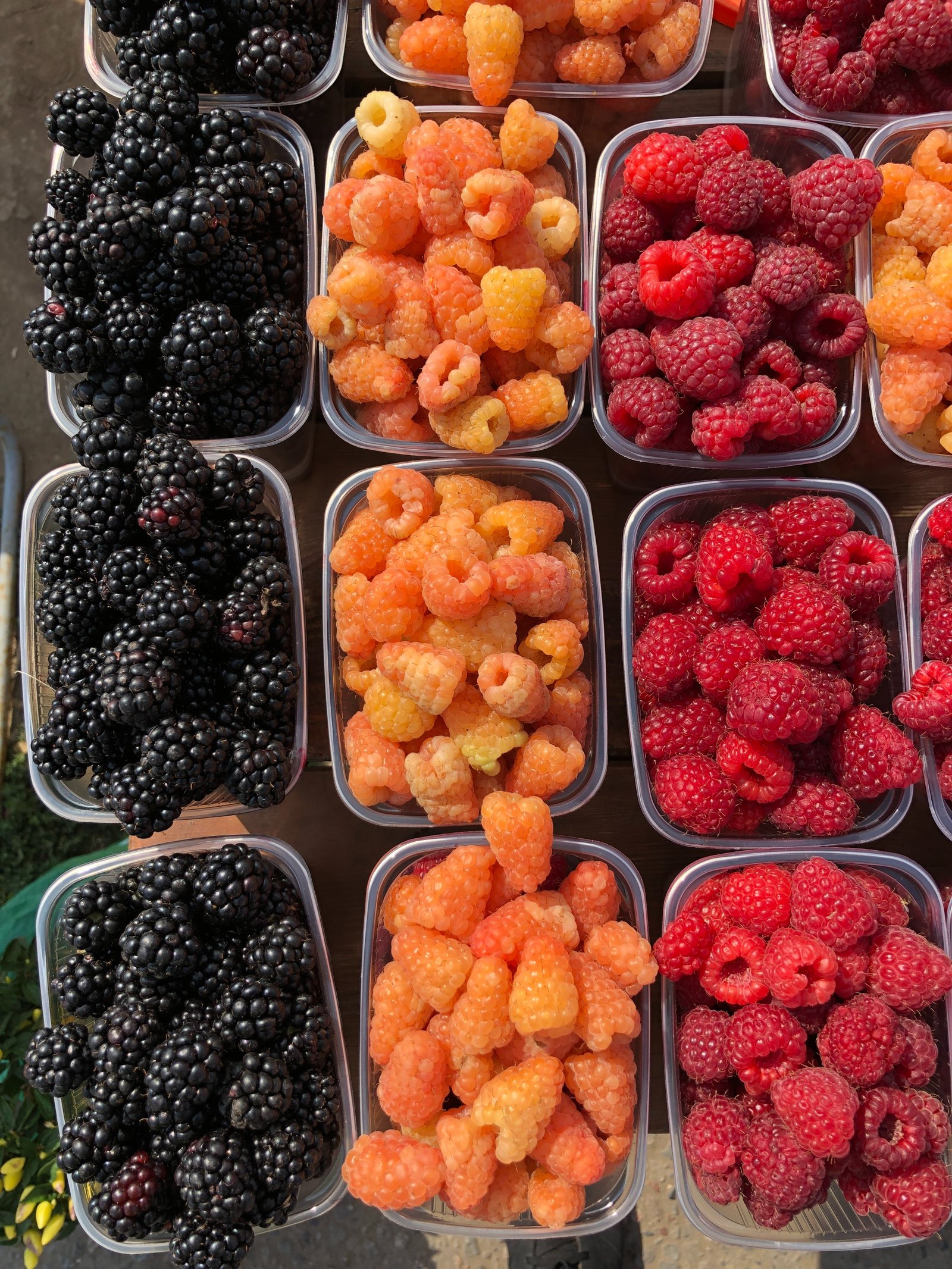
Introduction: As technology continues to evolve, the wholesale industry is not exempt from its transformative powers. One of the latest advancements in this sector is the use of the K-means algorithm for images. By harnessing the power of this machine learning technique, wholesalers can streamline their operations and make more informed decisions. In this blog post, we will explore how the K-means algorithm is revolutionizing the wholesale products industry and the benefits it brings. Understanding the K-means Algorithm: The K-means algorithm is a well-known clustering technique in the field of machine learning. Its primary purpose is to group similar data points together based on their characteristics. In the context of wholesale products, this algorithm can be applied to images to categorize them into specific clusters. These clusters represent distinct categories, making it easier for wholesalers to organize their inventory and perform advanced analytics. Organizing Wholesale Inventory: One of the main challenges wholesalers face is managing and categorizing a wide variety of products efficiently. With the K-means algorithm for images, this task becomes significantly easier. By grouping visually similar products together, wholesalers can effectively organize their inventory, reducing manual effort and saving time. This categorization also allows for quick identification of low and high-demand products, helping wholesalers optimize their stock levels and reduce waste. Enhancing Product Recommendation Systems: In today's digital era, personalized product recommendations are critical for driving sales and enhancing customer satisfaction. By utilizing the K-means algorithm for images, wholesalers can train recommendation systems to recommend visually similar products to their customers. This personalized approach improves the overall shopping experience, leading to increased customer loyalty and higher conversion rates. Moreover, wholesalers can also leverage this technology to cross-sell and upsell related products, thereby maximizing revenue potential. Improving Quality Control: Maintaining product quality is paramount in the wholesale industry. The K-means algorithm for images can be leveraged to create quality control systems that detect defects and anomalies in products through image analysis. By comparing product images against a predefined set of high-quality images, wholesalers can automate the quality assurance process and quickly identify and reject defective items. This not only saves time and resources but also ensures consistent product quality, enhancing customer satisfaction. Optimizing Pricing Strategies: Pricing is a crucial aspect of any wholesale business. With the K-means algorithm for images, wholesalers can gain valuable insights into pricing strategies. By analyzing clusters of visually similar products, wholesalers can estimate the perceived value of certain categories and make informed pricing decisions. Furthermore, this technology can also detect price discrepancies between similar products, enabling wholesalers to identify opportunities for price adjustments and maintain competitiveness in the market. Conclusion: Innovation is essential in the ever-evolving wholesale products industry, and the adoption of the K-means algorithm for images is transforming the way wholesalers operate. From inventory management to personalized recommendations, quality control, and pricing strategies, this algorithm offers a range of benefits that empower wholesalers to make data-driven decisions and thrive in a competitive market. Embracing this technology allows wholesalers to stay ahead of the curve and build a reputation for efficiency, quality, and customer satisfaction. Seeking expert advice? Find it in http://www.vfeat.com
Leave a Comment:
SEARCH
Recent News
- Zurich, Switzerland, and Milan, Italy, are two of Europe's bustling cities known for their vibrant cultures and economic activities. Zurich, the largest city in Switzerland, is renowned for its high quality of life, efficient public transportation system, and picturesque setting along Lake Zurich and the Limmat River. Milan, on the other hand, is Italy's financial and fashion capital, home to prestigious fashion houses, historic landmarks, and a thriving e-commerce industry.
- Zurich, Switzerland is known for its picturesque landscapes, innovative technology, and thriving economy. As a hub for business and commerce, Zurich has also seen significant growth in e-commerce platforms over the years. With the rise of online shopping and digital transactions, having secure and efficient payment solutions is crucial for businesses in Zurich to thrive in the competitive market.
- YouTube Content Creation and Translation: A Key Strategy for Milan E-Commerce Success
- In today's digital age, YouTube has emerged as a powerful platform for content creation and sharing. From tutorial videos and product reviews to vlogs and entertainment, YouTube offers a vast array of content that caters to a global audience. For content creators looking to expand their reach, one key strategy is translating their videos to tap into non-English speaking markets.
- Milan_e_commerce is a dynamic YouTube channel that focuses on providing valuable insights and tips for e-commerce entrepreneurs. With a dedicated team of experts in the field of online retail, Milan_e_commerce strives to help individuals succeed in the competitive world of e-commerce.
- If you are running a YouTube channel focused on e-commerce and looking for reliable payment solutions to enhance your online business, you have come to the right place. In today's digital age, having effective payment solutions in place is crucial for the success of any e-commerce venture. With the increasing popularity of online shopping, customers expect a seamless and secure payment process when making purchases. As a YouTube content creator in the e-commerce space, it is essential to provide your audience with convenient payment options to optimize their shopping experience.
- Mastering Work Skills Development in Milan's E-commerce Industry
- In the fast-growing world of e-commerce, having a seamless and secure payment solution is crucial for the success of any online business. Developing the right work skills in this area can make a significant difference in how efficiently payments are processed, customer satisfaction levels, and ultimately, the bottom line.
READ MORE
11 months ago Category : batchof

Zurich, Switzerland, and Milan, Italy, are two of Europe's bustling cities known for their vibrant cultures and economic activities. Zurich, the largest city in Switzerland, is renowned for its high quality of life, efficient public transportation system, and picturesque setting along Lake Zurich and the Limmat River. Milan, on the other hand, is Italy's financial and fashion capital, home to prestigious fashion houses, historic landmarks, and a thriving e-commerce industry.
Read More →11 months ago Category : batchof

Zurich, Switzerland is known for its picturesque landscapes, innovative technology, and thriving economy. As a hub for business and commerce, Zurich has also seen significant growth in e-commerce platforms over the years. With the rise of online shopping and digital transactions, having secure and efficient payment solutions is crucial for businesses in Zurich to thrive in the competitive market.
Read More →11 months ago Category : batchof

YouTube Content Creation and Translation: A Key Strategy for Milan E-Commerce Success
Read More →11 months ago Category : batchof
